


Cold Mix Asphalt: Revolutionizing Road Construction with Sustainability and Innovation
Cold mix asphalt (CMA), a sustainable alternative to traditional Hot Mix Asphalt, is gaining traction globally as a cost-effective and environmentally friendly solution for road construction and maintenance. With growing concerns over carbon emissions and energy consumption, CMA is emerging as a game-changer in the infrastructure sector.
What is Cold Mix Asphalt?
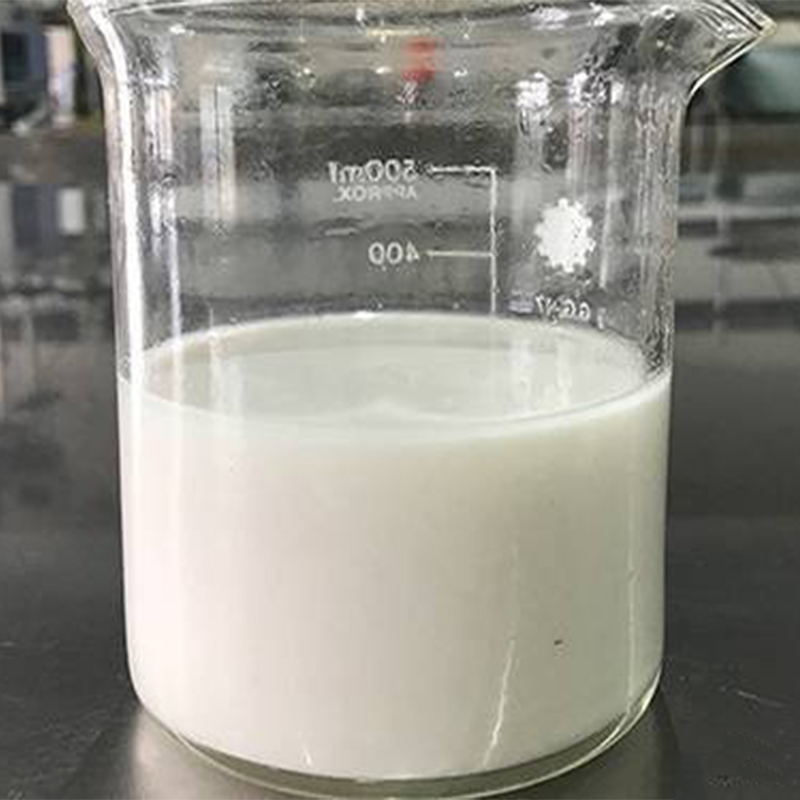
Unlike hot mix asphalt, which requires high temperatures for production and application, cold mix asphalt is produced and laid at ambient temperatures. This makes it energy-efficient and reduces greenhouse gas emissions significantly. CMA typically uses emulsified asphalt—a mixture of asphalt binder, water, and an emulsifying agent—as the binding material. The emulsion breaks down upon contact with aggregate, leaving behind a stable asphalt-coated mixture.
Applications on the Rise
Cold mix asphalt is versatile and is increasingly used in various road construction scenarios. It is particularly effective for patch repairs, temporary road surfaces, and low-traffic roads. In recent years, advancements in CMA technology have expanded its applications to include rehabilitation of high-traffic highways and urban roads.
One notable advantage of CMA is its ability to incorporate recycled materials, such as reclaimed asphalt pavement (RAP). This not only reduces waste but also lowers the demand for virgin aggregates. “The use of RAP in cold mix asphalt is a win-win situation,” said Dr. John Smith, a civil engineer specializing in pavement technology. “It enhances sustainability while maintaining durability and performance.”
Technological Advancements
Recent innovations in cold mix asphalt technology have focused on improving strength, durability, and environmental performance. Researchers have explored the use of additives like cement, fibers, and rejuvenators to enhance the properties of CMA. For instance, cement has been shown to significantly improve the early strength of CMA, while fibers provide better resistance to cracking.
Moreover, the development of modified emulsified asphalts tailored to specific climatic conditions has expanded the usability of CMA. These modifications help address challenges such as moisture damage and low-temperature cracking, which were previously limiting factors.
Environmental and Economic Benefits
The environmental benefits of cold mix asphalt are substantial. By eliminating the need for high-temperature production, CMA reduces energy consumption and carbon emissions by up to 50% compared to traditional methods. Additionally, its ability to incorporate recycled materials further reduces its environmental footprint.
From an economic perspective, CMA offers significant cost savings. Lower production temperatures reduce fuel consumption, and the use of recycled materials cuts down on raw material costs. These advantages make CMA particularly attractive for budget-conscious municipalities and construction companies.
Challenges and Future Outlook
Despite its benefits, cold mix asphalt faces challenges such as limited awareness and misconceptions about its performance. Some stakeholders remain skeptical about its durability compared to traditional asphalt. However, ongoing research and successful field applications are gradually addressing these concerns.
Looking ahead, the future of cold mix asphalt looks promising. As global demand for sustainable infrastructure grows, CMA is expected to play a pivotal role. Innovations in recycling technologies and the development of smarter additives could further enhance its performance and expand its applications.
“Cold mix asphalt is not just a temporary solution; it represents a shift toward more sustainable and innovative road construction practices,” said Dr. Smith. “With continued research and industry collaboration, CMA could become the standard for future roadbuilding.”