



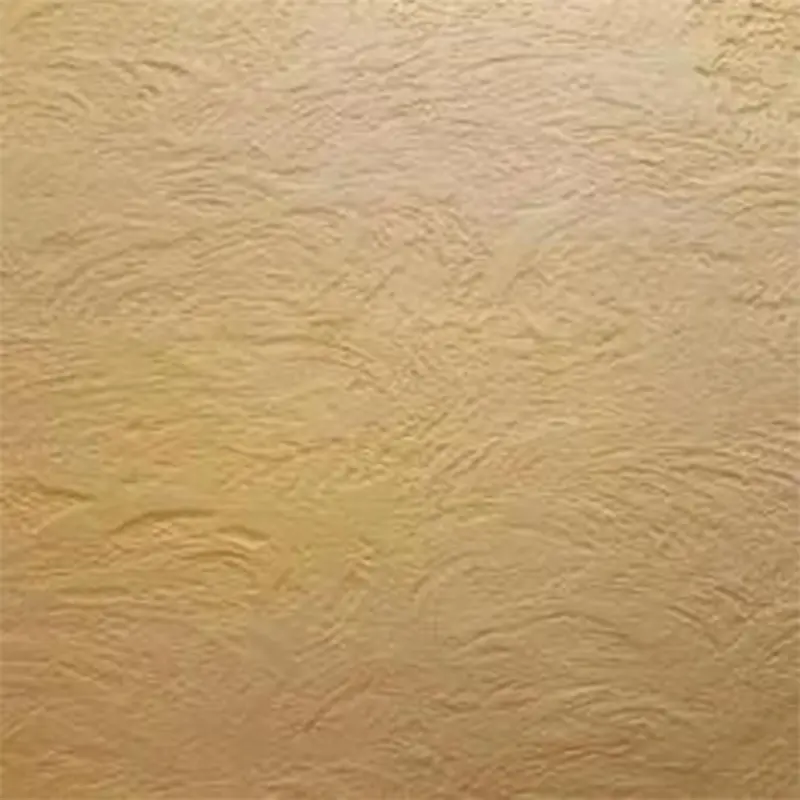
Diatom mud for natural, eco-friendly, and absorbent surface treatment
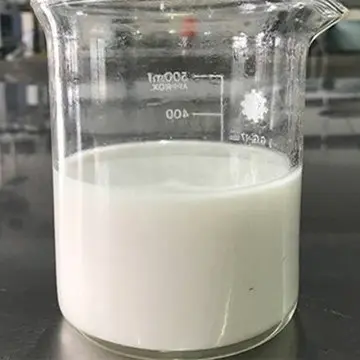
Diatom mud is characterized by its fine, powdery texture and is primarily composed of silica (over 90%) and other minerals. It is known for its exceptional absorbent properties, which allow it to regulate moisture levels in indoor environments effectively. Diatom mud is often used as a wall coating material, providing not only aesthetic appeal but also functional benefits such as odor absorption and mold resistance.
Key Features:
- High Porosity:The unique microporous structure of diatom mud allows it to absorb moisture from the air, helping to maintain a balanced indoor humidity level.
- Eco-Friendly:Diatom mud is a natural, non-toxic product that does not contain volatile organic compounds (VOCs), making it safe for indoor use.
- Air Purification:It has the ability to absorb harmful substances and pollutants, contributing to improved indoor air quality.
- Durability:Diatom mud is resistant to mold and mildew, ensuring long-lasting performance in various environments.
Applications:
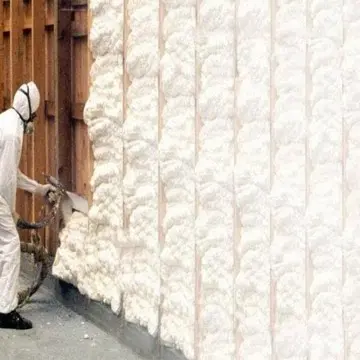
- Interior Wall Decoration:Diatom mud is widely used for interior wall coatings in homes, offices, hospitals, and hotels, providing a unique aesthetic while enhancing air quality.
- Humidity Regulation:It is particularly effective in areas prone to high humidity, such as bathrooms and kitchens, where it helps prevent mold growth.
- Functional Coatings:Beyond decorative uses, diatom mud can be applied in functional coatings for sound absorption and thermal insulation.
Market Overview:
The diatom mud market has experienced robust growth, driven by increasing awareness of environmental sustainability and health-conscious consumer preferences. The demand for natural and sustainable interior decoration materials is rising, with diatom mud products being recognized for their eco-friendly attributes and health benefits, such as humidity regulation and odor absorption. The market is characterized by innovation in product formulations and expanding applications across residential and commercial sectors, making diatom mud a preferred choice for modern construction and interior design .
Conclusion:
Diatom mud is a versatile and sustainable material that offers numerous benefits for both aesthetic and functional applications. Its ability to improve indoor air quality, regulate humidity, and resist mold makes it an excellent choice for modern living and working environments. As consumer demand for eco-friendly products continues to grow, diatom mud is poised to play a significant role in the future of interior design and construction.